


Cancer Surgery and Tumor Removal Procedures in Cats and Dogs
A cancer diagnosis in a pet can be an overwhelming and emotional experience for pet owners. Fortunately, advances in veterinary oncology have made it possible to successfully treat many types of tumors through surgery. In this article, you'll find information about the most common tumors seen in cats and dogs, the surgical treatment options available, and what to expect during the postoperative recovery process.
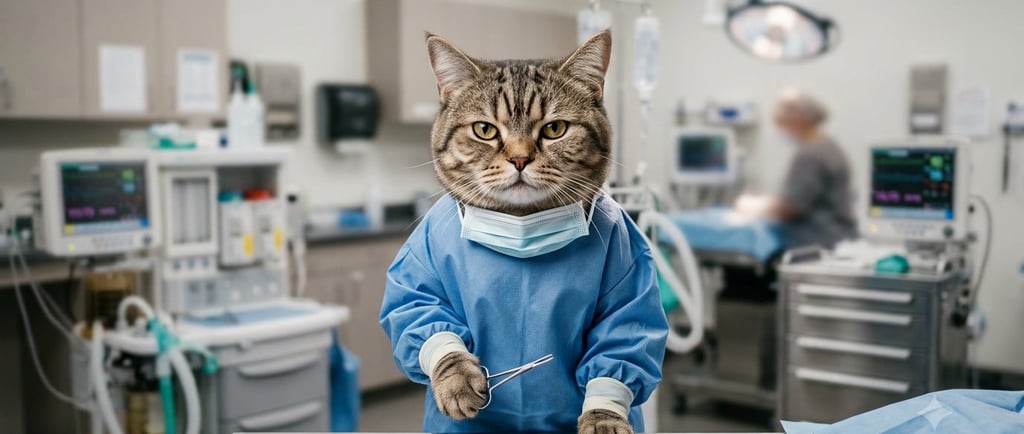
Common Types of Tumors in Cats and Dogs
Common Tumors in Dogs
Mammary tumors: These are particularly common in unspayed female dogs. Approximately half are benign, while the other half are malignant.
Skin and subcutaneous masses: These include lipomas (fatty tumors), mast cell tumors, and soft tissue sarcomas.
Splenic tumors: Aggressive tumors such as hemangiosarcoma commonly affect the spleen.
Bone tumors (osteosarcoma): These are most frequently found in the limbs of large-breed dogs.
Oral tumors: Common examples include melanoma, fibrosarcoma, and epulis.Common Tumors in Cats
Mammary tumors: Unfortunately, the vast majority of mammary tumors in cats are malignant.
Fibrosarcoma: An aggressive tumor that may develop at previous vaccination or injection sites (injection-site sarcoma).
Lymphoma: One of the most common cancers in cats, typically managed with chemotherapy rather than surgery.
Ear and nasal tumors: White or light-colored cats are at a higher risk of developing sun-induced squamous cell carcinoma, particularly on the ears and nose.
Diagnostic Process: What Happens Before Surgery?
Before deciding on surgery, veterinarians typically perform the following diagnostic steps:
Physical examination: The size, consistency, and mobility of the mass are evaluated.
Fine Needle Aspiration (FNA): Cells collected from the mass are examined under a microscope.
Biopsy: A tissue sample is collected and submitted for histopathological examination to establish a definitive diagnosis.
Diagnostic imaging: X-rays, ultrasound, and when necessary, CT scans are used to evaluate the tumor's extent and its relationship with surrounding organs.
Cancer staging: The lungs, abdominal organs, and lymph nodes are assessed to determine whether the cancer has spread.
Blood tests: These help evaluate the patient's overall health and suitability for anesthesia.These diagnostic steps are essential for planning the most appropriate surgical procedure while avoiding unnecessary or insufficient treatment.
Fundamental Principles of Tumor SurgerySuccessful veterinary oncologic surgery is based on several key principles:
Wide surgical margins: The tumor is removed together with a margin of healthy surrounding tissue to reduce the risk of leaving microscopic cancer cells behind.
En bloc excision: Removing the tumor intact, without fragmentation, minimizes the risk of spreading cancer cells during surgery.
The importance of the first surgery: The initial surgical procedure should be performed with adequate margins. Incomplete removal may make future surgeries more difficult and less successful.
Histopathological evaluation: Every excised tissue sample should be submitted for pathology to confirm the diagnosis and determine whether the surgical margins are free of tumor cells.
Common Surgical Procedures
Mass ExcisionThis is the most common surgical procedure for skin, subcutaneous, and mammary tumors. Depending on the tumor type, the mass is removed with either narrow or wide surgical margins.
Limb Amputation
For bone tumors such as osteosarcoma, amputation may be recommended to relieve pain and reduce the risk of cancer progression. Most dogs adapt remarkably well and maintain an excellent quality of life on three legs.
Splenectomy
Complete removal of the spleen is the standard treatment for most splenic tumors.
Mastectomy
Depending on the extent of the disease, surgery may involve removing a single mammary gland or the entire mammary chain.
Oral and Jaw Surgery
Some oral tumors require removal of part of the upper or lower jaw (maxillectomy or mandibulectomy). Although this may sound extensive, most animals recover well, regain normal eating ability, and return to a good quality of life.
Postoperative Care and Recovery
The following measures are important during the recovery period after surgery:
Pain management: Pain medications prescribed by your veterinarian should be administered exactly as directed.
Incision care: The surgical site should be kept clean and dry. An Elizabethan collar (E-collar) should be used to prevent the pet from licking or chewing the incision.
Activity restriction: Running, jumping, and other strenuous activities should be avoided throughout the recovery period.
Follow-up examinations: Recheck appointments are necessary for suture removal and assessment of the surgical site.
Reviewing pathology results: The pathology report determines whether additional treatment, such as chemotherapy or radiation therapy, is required.
Additional Treatments
After SurgeryIn some cases, surgery alone may not be sufficient. Depending on the pathology results, additional treatments may include:
Chemotherapy: Commonly recommended for tumors with a high risk of metastasis, such as lymphoma and hemangiosarcoma.
Radiation therapy: May be used as an adjunct treatment when tumors cannot be completely removed or when surgical margins are incomplete.
Regular monitoring: Routine follow-up examinations are essential for detecting recurrence or the development of new tumors at an early stage.
Recommendations for Pet Owners
If you notice a new lump or swelling anywhere on your pet's body, consult your veterinarian without delay.
Early diagnosis significantly improves treatment outcomes.
Spaying is an important preventive measure that greatly reduces the risk of mammary tumors, particularly in female pets.
Before surgery is performed, the diagnostic process—including biopsy, imaging, and cancer staging—should be completed to ensure the most appropriate treatment plan.
Following all postoperative instructions provided by your veterinarian is essential for a smooth recovery and the best possible long-term outcome.
Conclusion
Although receiving a cancer diagnosis for a cat or dog can be overwhelming, modern veterinary oncology offers effective surgical treatment options for many types of tumors. Early detection, accurate staging, and surgery performed by an experienced veterinary team can significantly improve both life expectancy and quality of life. If you discover a suspicious lump or mass on your pet, consulting your veterinarian promptly is always the best course of action.
Disclaimer: This article is intended for general informational purposes only and should not be considered a substitute for professional veterinary examination, diagnosis, or treatment. If you suspect your pet has any health problem, consult a licensed veterinarian without delay.
Contact
You can contact us for any questions or inquiries.
Copyright 2026 © veterinerklinikonkoloji.com


Our Services
Adenoma or Adenocarcinoma
Atypical Lipomatous Tumors
Benign Tumors
Carcinoma
Melanoma
Neuroendocrine Tumors
Round Cell Tumors
Sarcoma